Silver Bow Creek-Butte Area Superfund Site
From the Berkeley Pit to the Warm Springs Ponds.
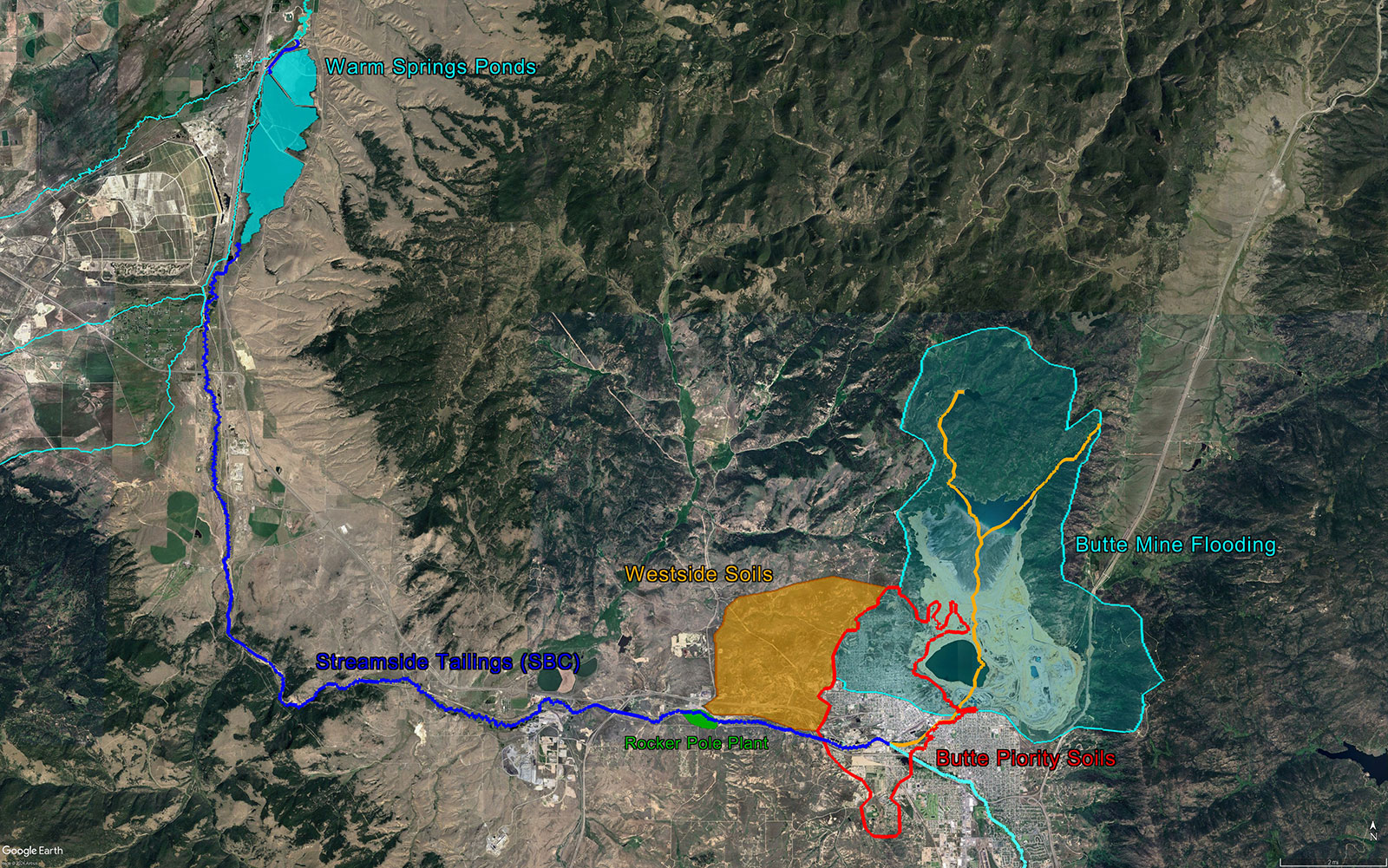
This large, complex site spans soil, water, and habitat across the region. To manage the cleanup, the EPA divided the work into eight Operable Units (OUs)—distinct areas with their own cleanup plans and timelines.
History of the Destruction and Restoration of Silver Bow Creek
Learn about 100 Years of Mining and Smelting Damages and the World-Class Superfund Cleanup
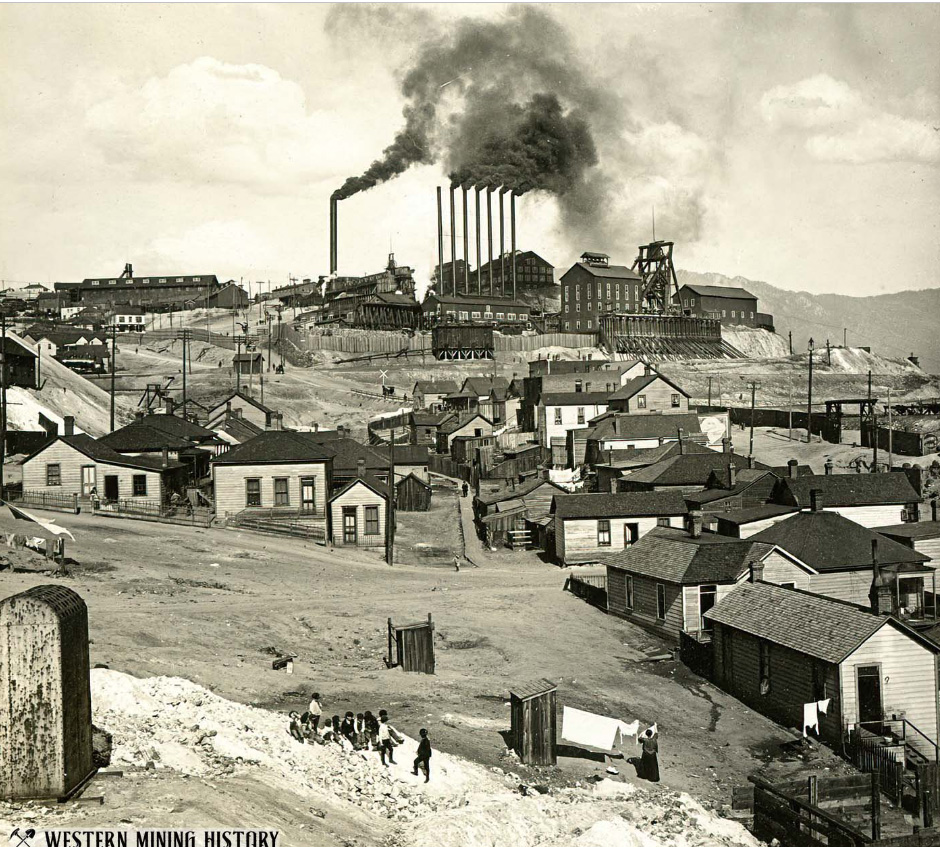
The Salish people knew Silver Bow Creek as Snt’apqéy—a place where you could hunt big bull trout with bow and arrow. Discovery of the ore body that would come to be known as “The Richest Hill on Earth” changed that with industrial scale mining and smelting that poured acid mine water and tailings into the creek. In 1983, the United States Environmental Protection Agency began the long road to clean up Butte and Silver Bow Creek. That story continues.
Living in Butte
Learn how Superfund safeguards your family from mining-related arsenic and lead.
Health Programs
The following programs protect Butte residents from mining contamination:
Residential Metals Abatement Program
Blood Lead Testing
Butte-Silver Bow Counties Clean Drinking Water System
City-Wide Mine Waste Capping
Well Drilling Ordinance

Mining Damaged Silver Bow Creek.
Superfund Cleanup is Ongoing.
Superfund is a U.S. EPA program that addresses some of the nation’s most contaminated sites and oversees long-term cleanup to reduce risks to people and the environment. The Citizens Technical Environmental Committee (CTEC) helps residents of the Butte–Silver Bow Creek region understand the Superfund process and make informed choices for their families and neighborhoods. Explore the latest Superfund updates, cleanup progress, and helpful resources for the community.
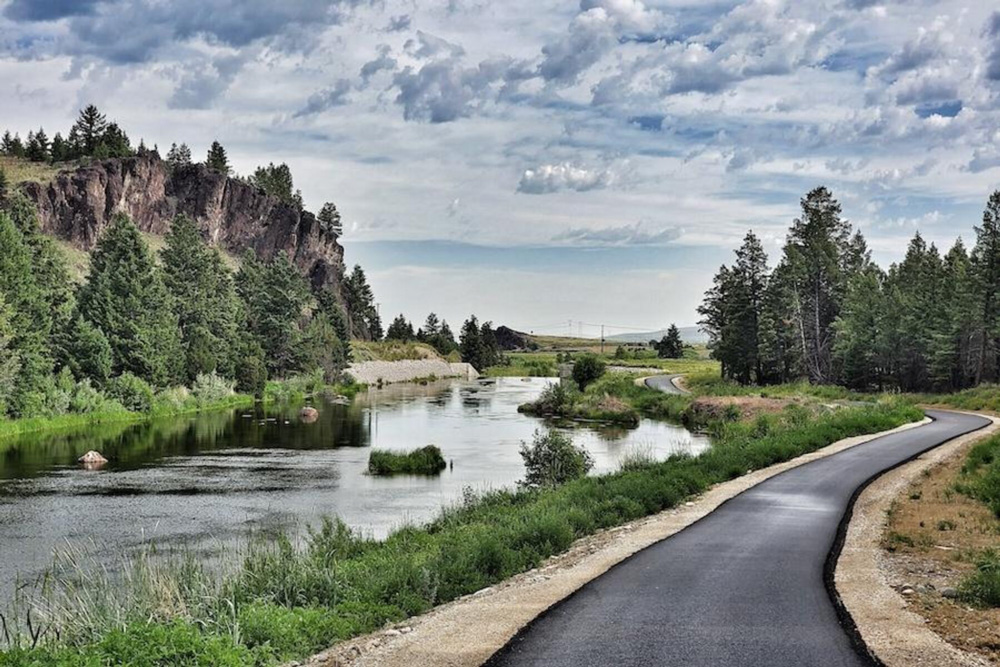
Superfund Amenities
Copperway and Greenway Trails
Open Space Parks
Clean Drinking Water
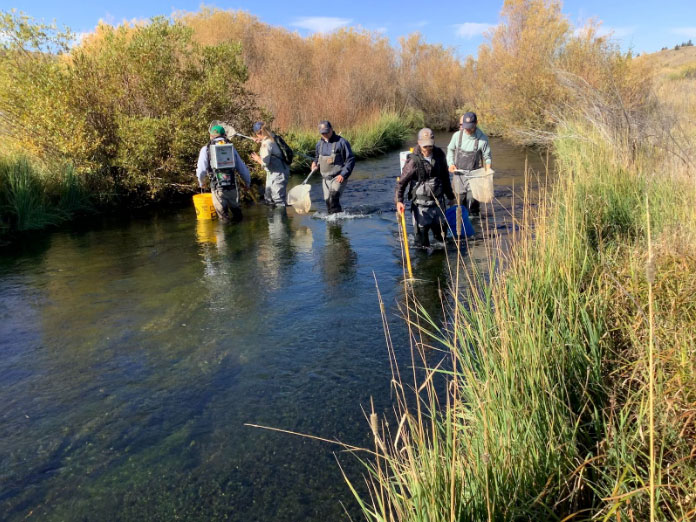
Silver Bow Creek Conservation Area
Original Mine Yard Concert Venue
Univerity Research Opportunities
Ripple K-12 Ecological Education
Silver Bow Creek FAQs
We’re here to help answer your toughest questions about the Silver Bow Creek-Butte Area Superfund Site, providing the latest news and updates along the way.
How Big is the Silver Bow Creek-Butte Area Superfund Site?
The site encompasses the Berkeley Pit and 10,000 miles of underground mine workings beneath the city of Butte and extends 26 miles down Silver Bow Creek to the 2,600 acre Warm Springs Ponds.
Is Butte’s drinking water safe?
Butte’s public water comes from three sources: the Big Hole River, Moulton Reservoir and Basin Creek Reservoir. It is treated at the Big Hole Treatment Plant and the Moulton Treatment Plant. Water quality is frequently tested and meets or exceeds all standards for drinking, cooking and bathing.
Why is the Superfund process taking so long?
The short answer is that it is really complicated and difficult. The overall site is massive, the cleanup is multi-layered, including soils, water, air, groundwater, vegetation, storm water, and more. Challenges are often gargantuan (think the Berkeley Pit, for example). Each facet of each Operable Unit goes through an exhaustive cycle of assessment, design, proposal, comment period, approval and implementation. Taken together, each discreet project can take years to complete.
Is the Berkeley Pit in danger of overflowing?
No. The Berkeley pit lake, which until 2019 was rising about 6-feet per year, is now hydrologically controlled by pumping and has remained 60 feet below the groundwater divide - the elevation at which it would flow to Silver Bow Creek.
What’s New
See the latest updates from the Silver Bow Creek Butte-Area Superfund sites.
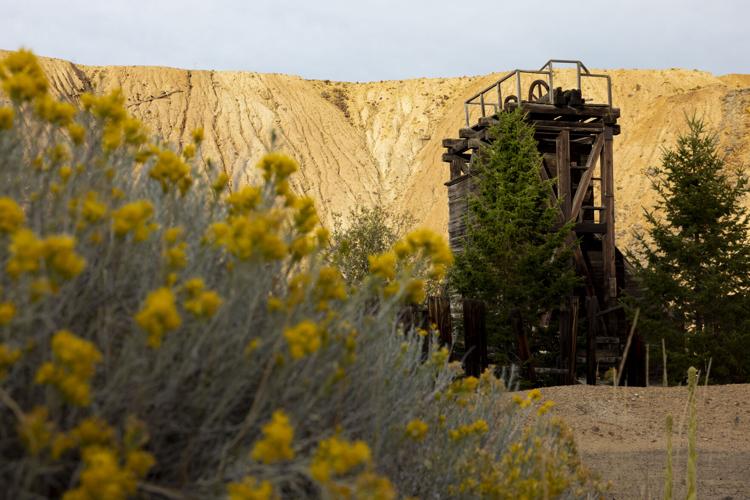
Inside Pilot Butte: Rare Tour Highlights Historic Mine’s Role in Local Present-Day Superfund Cleanup
Headframes towered overhead. Fragments from Butte's once-booming mining industry looked like little more than...
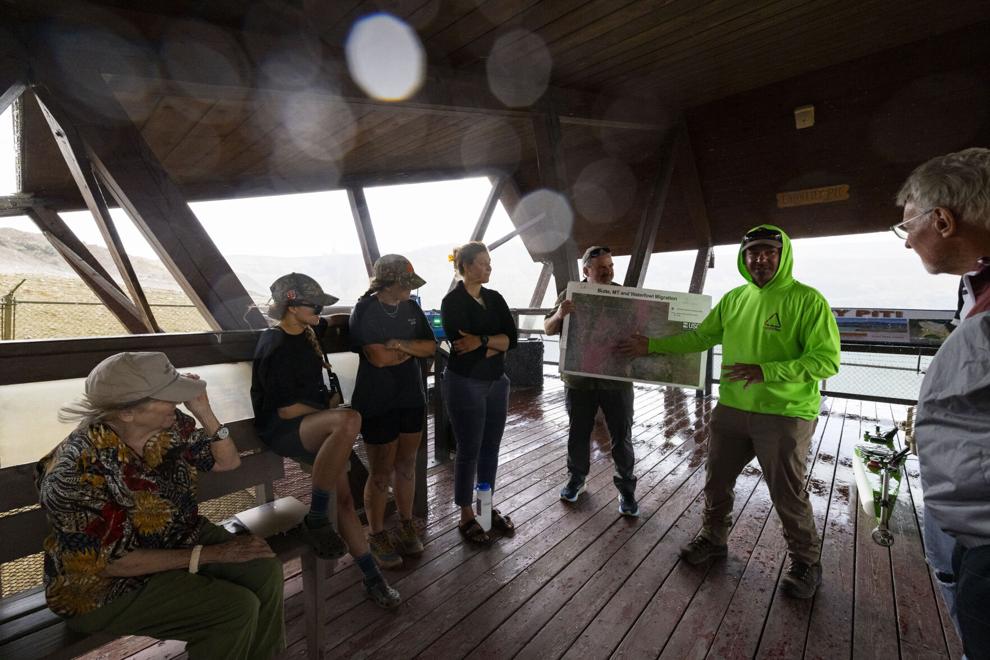
CTEC gives public a look into Berkeley Pit bird-hazing techniques
Turquoise water greeted visitors as they stepped onto the Berkeley Pit viewing stand. The evening sun...
Residential Metals Abatement Program flyer (June 2026)
This flyer summarizes the “RMAP” program that tests for metals and cleans residential properties free of charge.